

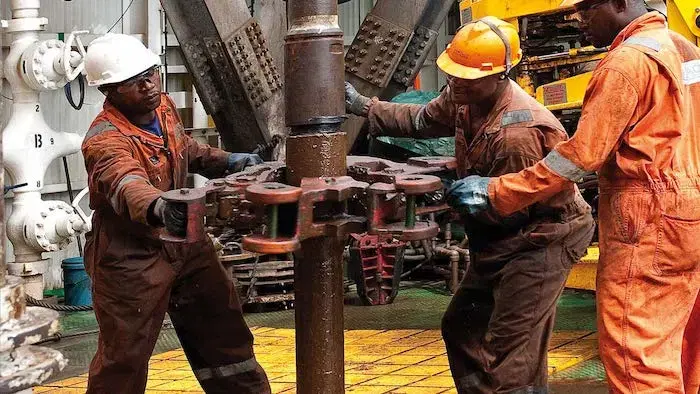
Nigeria’s oil and gas industry remains one of the most significant energy markets in Africa, attracting international investors and stakeholders eager to capitalize on its vast reserves. Despite fluctuating crude oil prices and evolving global energy dynamics, the sector continues to hold immense potential, shaping economic growth and energy security worldwide.
How the World Views Nigeria’s Oil and Gas Prospects
International energy analysts and investors recognize Nigeria as a strategic player in global oil markets. The country boasts large hydrocarbon reserves, with billions of barrels of crude oil and vast natural gas deposits. However, perceptions about Nigeria’s industry are shaped by several key factors:
1. Resource Potential
Nigeria ranks among the top oil-producing nations, with established reserves in the Niger Delta and emerging frontier basins. The ongoing push for deepwater exploration and gas monetization signals long-term opportunities for global investors.
2. Investment Climate
Foreign stakeholders assess Nigeria’s business environment based on regulatory frameworks, infrastructure, and political stability. While recent government policies aim to improve ease of doing business, investors still weigh risks associated with bureaucracy, security challenges, and operational efficiency.
3. Sustainability and Global Energy Transition
With the world shifting towards clean energy solutions, Nigeria’s role in natural gas development has sparked interest. The country is positioning itself as a regional gas hub, attracting stakeholders looking to balance fossil fuel dependence with energy diversification.
The Role of Stakeholders in Nigeria’s Oil and Gas Industry
A wide range of stakeholders play crucial roles in shaping the future of Nigeria’s energy sector:
Government and Regulators: Agencies like the Nigerian National Petroleum Corporation (NNPC) and the Nigerian Upstream Petroleum Regulatory Commission (NUPRC) set policies that guide exploration, production, and compliance.
International Oil Companies (IOCs): Firms such as Shell, ExxonMobil, and Chevron bring expertise, investment, and technological advancement to large-scale oil operations.
Indigenous Companies: Rising local players, including Chorus Energy Limited, contribute to economic growth and operational innovation. Their success strengthens Nigeria’s local capacity and enhances energy independence.
Community and Environmental Groups: Stakeholders advocate for responsible resource management, ensuring that oil and gas operations align with sustainable practices and community development.
Financial Institutions and Investors: Banks and private equity firms assess Nigeria’s credit risks and investment potential, funding exploration projects and infrastructure development.
Conclusion
The global outlook on Nigeria’s oil and gas industry is shaped by its vast reserves, evolving policies, and commitment to sustainable energy development. As stakeholders collaborate to enhance investment conditions, technological advancements, and environmental practices, Nigeria’s role in the global energy market is set to remain influential.